
Column November 4, 2025
Joint Health After 50 — Prevention Is the Best Treatment
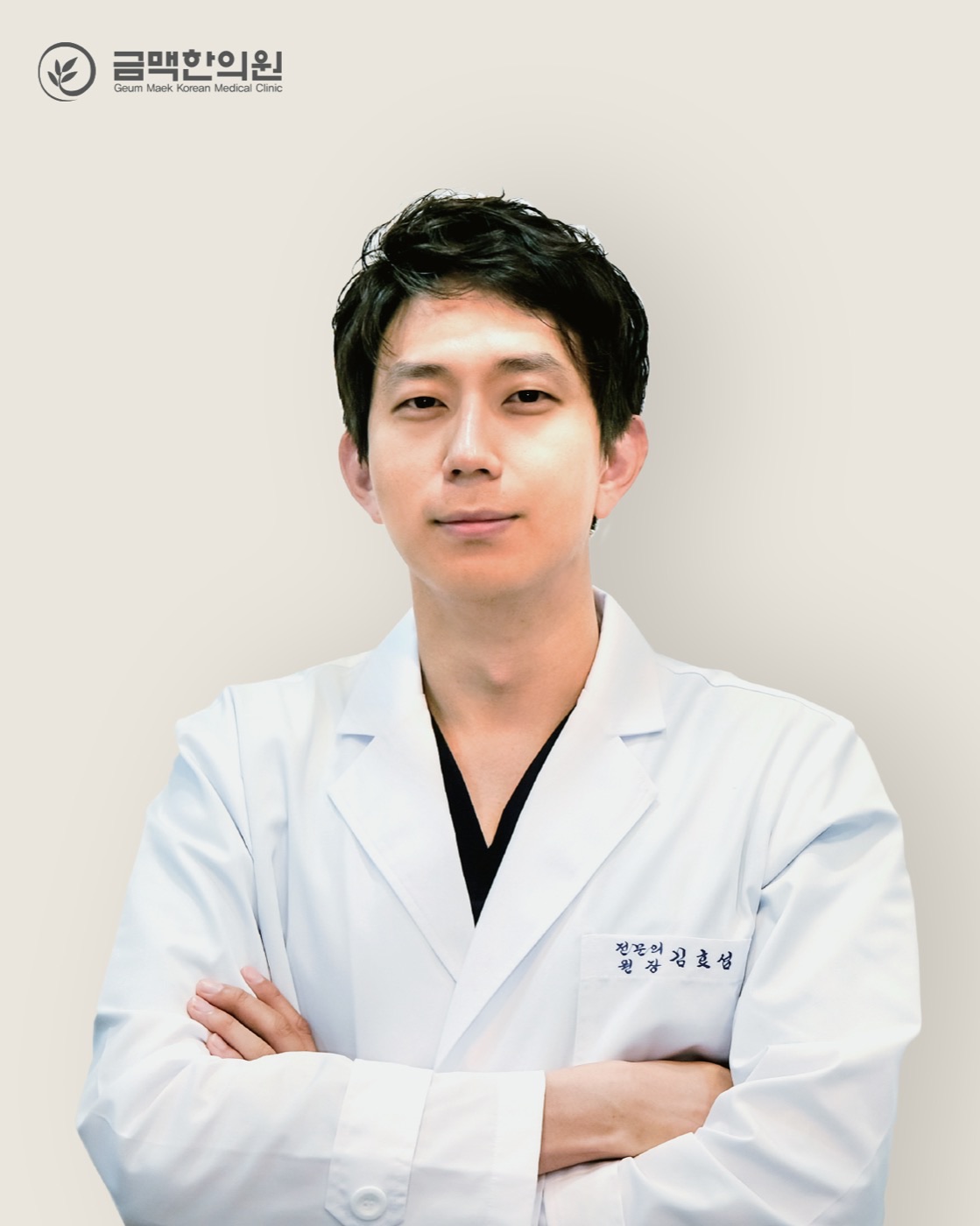
Hyo-seop Kim
Chief Director
Table of Contents
Even before pain begins
After the age of 50, the water content of joint cartilage decreases, synovial (lubricating) fluid secretion declines, and the surrounding muscles weaken. Even if there is no pain yet, joint degeneration is often already underway.
Three pillars of Korean medicine prevention
- Regular use of Gwanjeoldan: Take it for 4–6 weeks during seasonal transitions (spring and autumn) to maintain circulation and tissue health around the joints
- Regular acupuncture and pharmacopuncture: Once or twice a month, treat acupoints around the joints to maintain blood flow and release fascial tension
- Exercise prescription: Maintain strength and flexibility with low-impact exercises such as swimming and cycling
Warning sign checklist
- Your joints feel stiff for more than 30 minutes after waking
- Your knees ache when going down stairs
- Your lower back or knees feel locked when standing up after sitting for a long time
- Your joints react sensitively to weather changes
If even one of these applies to you, it is wise to have your joint condition checked and start preventive care.
Nutrition for joints in your 50s
- Collagen: pork skin, pig's trotters, chicken feet — key components of joint cartilage
- Omega-3: oily fish — helps suppress joint inflammation
- Vitamin C: essential for collagen synthesis — eat plenty of fruits and vegetables