
Why Herbal Medicine?
Nature's prescriptions verified over thousands of years, the power of herbal medicine being rediscovered by modern science!
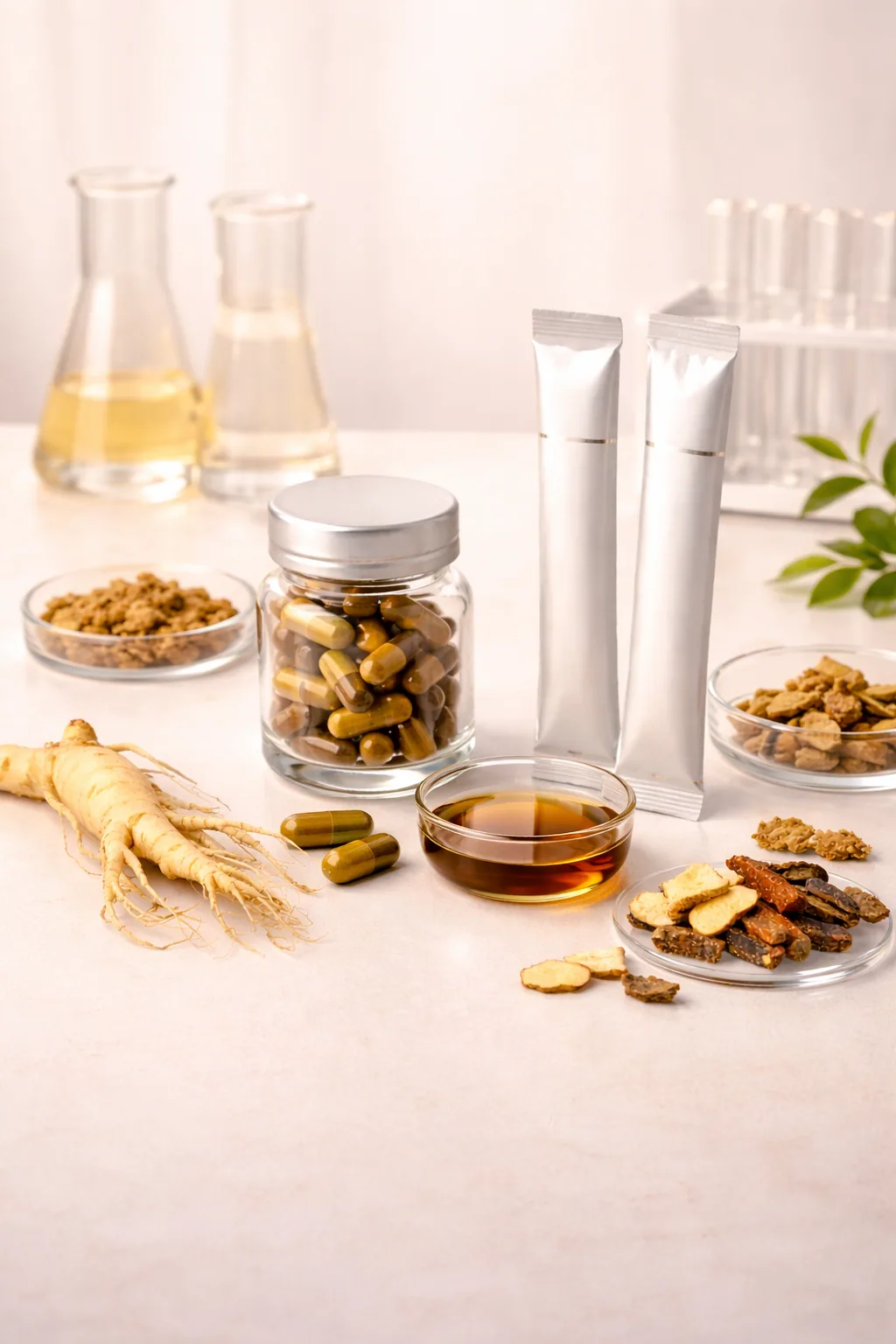

Why your body didn't recover after countless medications
| Mr. Kim | Mr. Lee | Mr. Park | |
|---|---|---|---|
| Main Symptom | Indigestion | Indigestion | Indigestion |
| Expression | Stomach burning | Chest tightness | Bloating |
| Other Constitution Patterns | Cold extremities | Dizziness | Postprandial drowsiness |
| Fatigue | Insomnia | Constipation | |
| Frequent urination | Irregular menstruation | Nasal congestion | |
| Lean build | Average weight | Overweight | |
| Male | Female | Male |
Medicines split into Drug A — which only addresses "visible symptoms" — and Drug B — which examines "the whole body's balance and root causes". Between Drug A and Drug B, which is more appropriate for the patient? Without question, it is Drug B.
Drug A has the advantages of being readily available and fast, but in chronic and complex conditions it easily misses the causes behind the symptoms. Even when the surface seems to improve, the underlying problem remains, and prolonged use can place burden on other parts of the body.
Drug B is herbal medicine prescribed after direct examination by a Korean medicine doctor. By considering both constitution and accompanying conditions, uncomfortable symptoms decrease while the overall condition of the body recovers.
Why does herbal medicine combine multiple herbs?
Herbal medicine is a multi-component, multi-target therapy where multiple herbs work organically together within a single prescription.
Multi-faceted Pharmacology
Unlike single-component drugs that block only one pathway, the compound ingredients of herbal medicine simultaneously intervene in multiple pathological pathways including anti-inflammation, immune regulation, and blood circulation improvement. This multi-faceted approach inhibits acquisition of resistance and demonstrates high therapeutic efficacy in chronic and complex diseases.
Junshinjwasa (君臣佐使) — Principles of Prescription Design
Herbal prescriptions are built on systematic role assignments. The Sovereign herb targets the core pathological network, the Minister herb adjusts auxiliary pathways. The Assistant herb controls the toxicity of the medicine and improves pharmacokinetics, and the Envoy herb directs active components to target organs. Modern systems biology continues to validate this sophistication.
Toxicity Control through Combination
The unique strength of herbal medicine is the technique of controlling the toxicity of strongly active drugs through combination. Through chemical interactions between herbs, it is possible to maintain the therapeutic range of active components while significantly lowering toxic concentrations — a domain difficult to achieve with single-component refining technology.
Mechanisms of natural compounds verified by modern science
Absorption — Gastrointestinal Absorption
Decoction-form herbal medicine is rapidly absorbed in the GI tract. Water-soluble extracts are delivered systemically through the bloodstream.
Regulation — Immune·Metabolic Balance
Active ingredients act on immune cells and metabolic enzymes
to activate the body's natural healing system.
Recovery — Normalizing Qi-Blood Circulation
Improves blood circulation and suppresses inflammation, promoting recovery of damaged tissue.
Strengthening — Constitutional Improvement
With long-term use, immunity and metabolic function are fundamentally improved, preventing recurrence of the same symptoms.
Try Herbal Medicine
Herbal medicine especially excels in chronic conditions, constitutional improvement, and immune strengthening.
Chronic Fatigue·Low Energy
When fatigue and reduced stamina persist despite adequate rest
Stress·Insomnia
Chronic insomnia, anxiety, depression, autonomic dysfunction
Digestive Disorders
Chronic gastritis, IBS, loss of appetite, GERD
Respiratory·Allergy
Rhinitis, asthma, frequent colds and other immune-related chronic conditions
Neurological Disorders
Headache, dizziness, tinnitus, facial palsy, hand-foot numbness
Pediatric·Adolescent
Frail constitution, growth retardation, frequent colds, atopy, low concentration
Women's Health
Menstrual pain, menopause, infertility, postpartum recovery
Men's Health
Prostate health, reduced vitality, hair loss, menopause
Scientific Evidence for Herbal Medicine
The efficacy of herbal medicine no longer relies solely on experience. We present scientific evidence published by leading research institutions worldwide.
Pregnancy rate in herbal medicine 3-6 month group
Ried & Stuart, Complementary Therapies in Medicine, 2011
Glucose tolerance recovery rate after 12 months of Tianqi capsule
Lian et al., Journal of Clinical Endocrinology & Metabolism, 2014
Additional systolic blood pressure reduction with Tianma Gouteng Yin (22 RCTs, 1,858 patients)
Xiong et al., PLOS ONE, 2015
Reduced 12-month mortality risk in non-small-cell lung cancer patients with combined herbal medicine
McCulloch et al., Journal of Clinical Oncology, 2006
Herbal medicine, as a multi-component, multi-target therapeutic, is a next-generation treatment paradigm capable of overcoming the limitations of single-component drugs.
참고문헌 (8)
- [1] McCulloch M et al.. Astragalus-based Chinese herbs and platinum-based chemotherapy for advanced non-small-cell lung cancer . Journal of Clinical Oncology (2006)
- [2] Chen S et al.. Traditional Chinese medicine combined with chemotherapy for advanced NSCLC: a meta-analysis . Scientific Reports (Nature) (2016)
- [3] Lian F et al.. Chinese herbal medicine Tianqi reduces progression from impaired glucose tolerance to diabetes . Journal of Clinical Endocrinology & Metabolism (2014)
- [4] Yin J et al.. Efficacy of berberine in patients with type 2 diabetes mellitus . Metabolism (2008)
- [5] Xiong X et al.. Tianma Gouteng Yin as adjunctive treatment for essential hypertension: a systematic review . PLOS ONE (2015)
- [6] Ried K & Stuart K. Efficacy of traditional Chinese herbal medicine in the management of female infertility . Complementary Therapies in Medicine (2011)
- [7] Huang ST et al.. Chinese herbal medicine as adjunct to IVF/ICSI: a meta-analysis . International Journal of Gynecology & Obstetrics (2011)
- [8] WHO. WHO Traditional Medicine Strategy 2014-2023 . World Health Organization (2013)
Frequently Asked Questions
더 많은 질문보기Q. How long does herbal medicine take to work?
Acute symptoms (cold, acute pain, etc.) can show effects within 1-3 days. For chronic conditions or constitutional improvement, you typically feel changes from 2-4 weeks, and for fundamental improvement we recommend consistent use for 2-3 months.
Q. Can I take herbal medicine with Western medicine?
Most cases are fine, but some medications may have interactions. If you are taking any medication, please tell us during your visit. Geummaek prescribes safely considering Western-Korean medicine drug interactions.
Q. Can children take herbal medicine?
Yes, pediatric prescriptions adjust dosage by age and weight. Geummaek uses only GMP-certified herbs and prepares safely with herbs that have passed heavy metal and pesticide residue tests, so children can take them with confidence.
Telemedicine Process
Get consultations and prescriptions without visiting.
Try our easy consultation service.
Prescription Process
- 🩺
01. Pulse Consultation
We precisely diagnose your current physical condition,
depleted energy, and lifestyle. - 🌿
02. Herb Selection
We compose the optimal herbs
specifically for your constitution and symptoms. - 🫖
03. Devoted Decoction
In our in-house decoction room, we carefully simmer
selected herbs with clean water. - 📖
04. Medication Guidance
We guide proper consumption methods
and lifestyle care to enhance efficacy.