
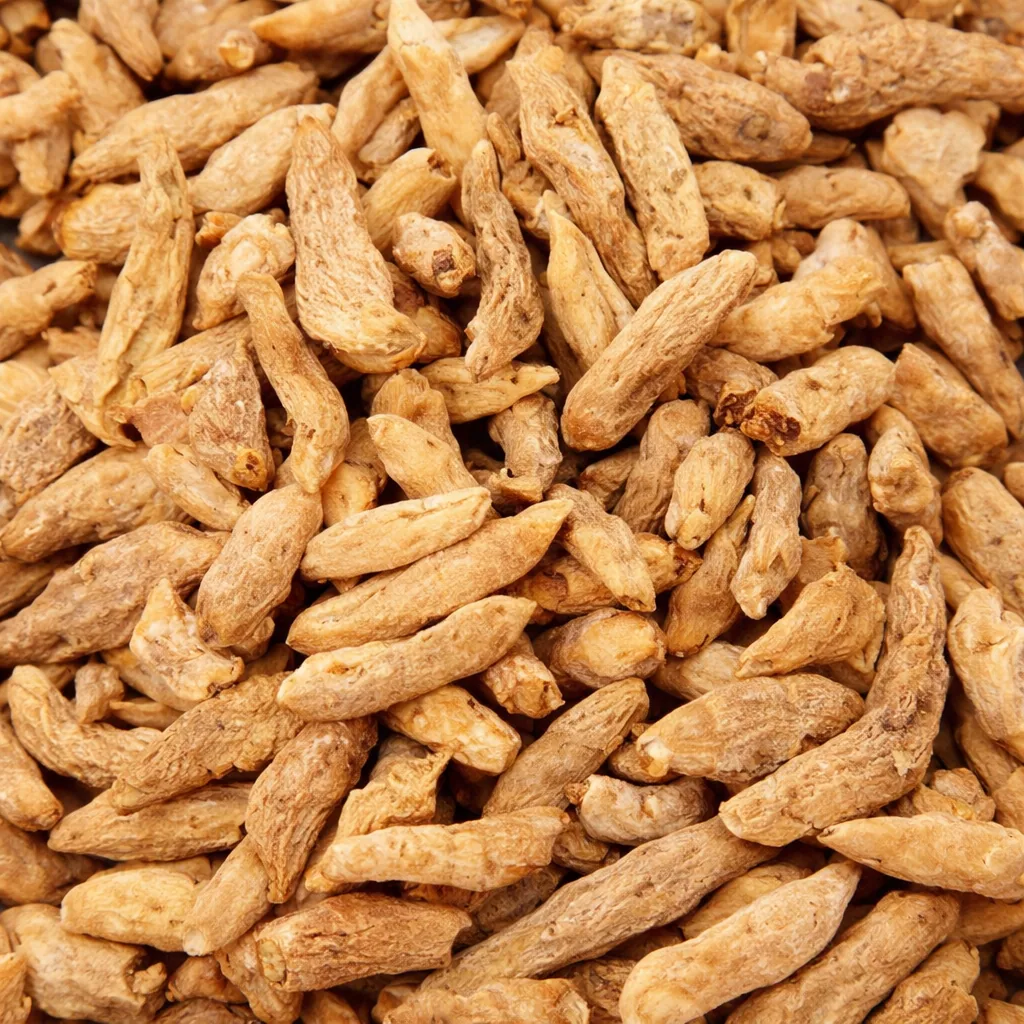
Maekmundong (Liriope)
KoreanWe use Korean maekmundong. It replenishes fluids of the lungs and throat, moistening dry, roughened vocal mucosa.


If even one applies to you, Hyangseongpajeokhwan may be the answer.
You speak all day
and leave work hoarse.
Prolonged vocalization leaves vocal cords congested and the mucosa damaged. Hyangseongpajeokhwan restores vocal mucosa and relieves fatigue.
High notes are harder
and your range has narrowed.
Repeated vocalization tires the vocal muscles and mucosa. Hyangseongpajeokhwan restores elasticity and lubrication to bring your range back.
Throat often sore and scratchy
with frequent phlegm.
Lung Yin (肺陰) deficiency dries the throat and causes repeated inflammation. Hyangseongpajeokhwan moistens the lungs and addresses the root cause.
After long broadcasts, your voice
cracks and gets stuck.
Sustained vocalization and dry indoor air overwork vocal cords. Hyangseongpajeokhwan relieves fatigue and keeps your voice clear.
Not throat candy — a formula that revives the vocal cords at the root.
Your voice gets stuck after lectures, and you can't hit high notes at karaoke. This is not mere fatigue. The vocal mucosa is damaged and Lung Yin (肺陰) is exhausted.
Hyangseongpajeokhwan means "even a broken flute (破笛) can ring clearly again." It is a vocal-cord-specialized formula prescribed in the Donguibogam for those who've lost their voice.
Teachers, instructors, counselors, singers, YouTubers — an era where voice is livelihood. Hyangseongpajeokhwan restores tired, damaged vocal cords and returns a clear, strong voice.
Hyangseongpajeokhwan prescriptions since opening
Voice quality improvement after 4 weeks of use
Voice change felt within 2 weeks
Since the Donguibogam record
A 4-step vocal-recovery mechanism
Maekmundong and cheonmundong replenish fluids of the lungs and throat,
moistening dry, roughened vocal mucosa.
Gilgyeong and gamcho reduce swelling and inflammation of the throat
and improve blood flow around the vocal cords for smooth vibration.
Banha and jinpi remove phlegm and mucus adhering to the vocal cords,
eliminating what interferes with clean vocalization.
Insam and baekchul reinforce lung Qi,
adding power and endurance to the voice while resolving vocal fatigue at the root.
Hyangseongpajeokhwan's benefits are supported by modern clinical research.
Self-assessed voice-quality improvement after 4 weeks
Journal of Korean Medicine
Reduction in throat redness and swelling
Journal of Korean Medicine ENT, Eye and Skin
Improvement in Voice Handicap Index (VHI)
J Korean Med
The Hyangseongpajeokhwan (響聲破笛丸) group showed significantly greater reduction in the Voice Handicap Index (VHI) compared to controls (p<0.01), along with laryngoscopic improvements in vocal-cord mucosal congestion and swelling — clinically confirming the lung-moistening and throat-opening (潤肺利咽) effects.

Geum Maek's Hyangseongpajeokhwan is based on the authentic Donguibogam formula, enhanced with herbs reflecting modern voice-usage patterns to treat cause and symptoms simultaneously.
Hyangseongpajeokhwan treats loss of voice,
and even when the flute is broken,
it can make sound again.
— Donguibogam (東醫寶鑑)
An authentic Korean medicine prescribed in the Donguibogam for loss of voice (失目不語). A 500-year-validated vocal-cord specialist formula.
Moistens the lungs to hydrate the vocal cords while simultaneously reducing throat inflammation. Addresses cause and symptoms together.
Kneaded with honey into pills — no burden on the throat and easy daily management of the vocal cords.
We use Korean maekmundong. It replenishes fluids of the lungs and throat, moistening dry, roughened vocal mucosa.
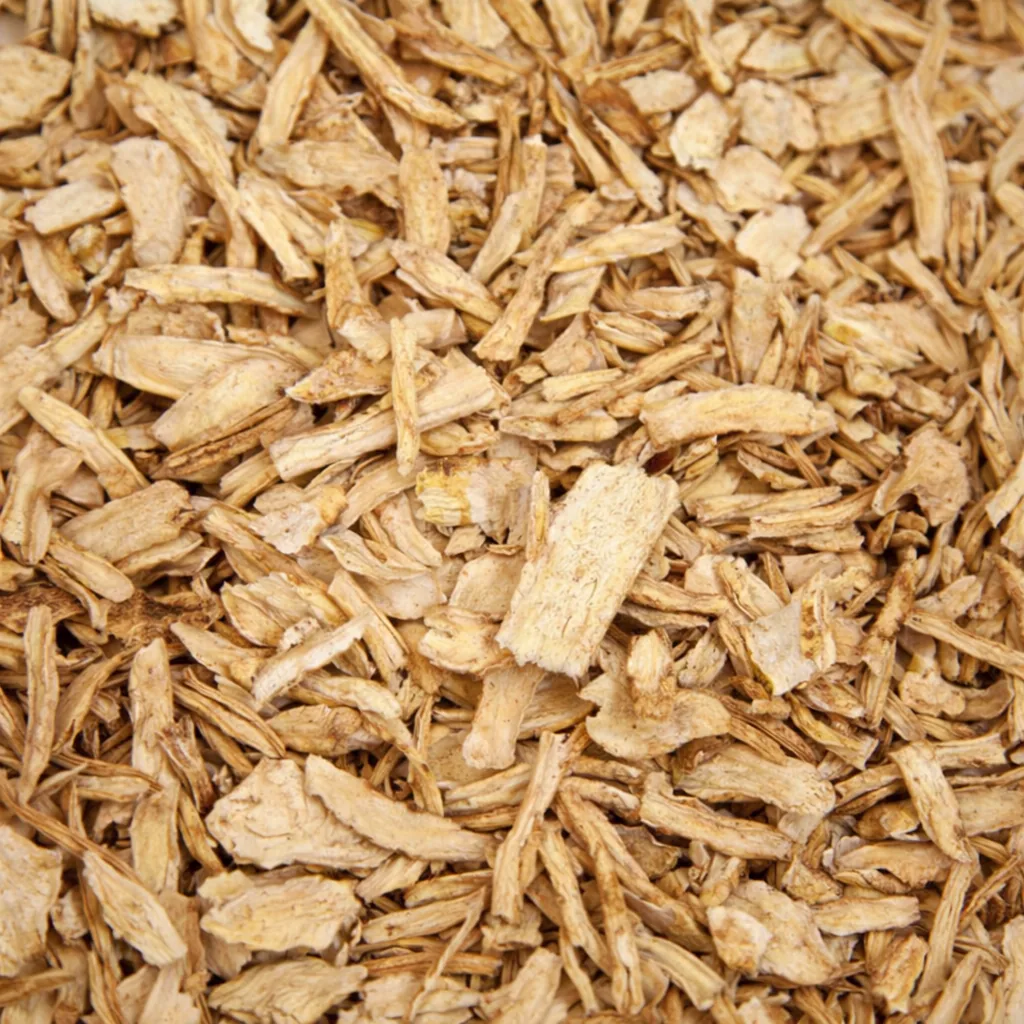
We use Korean gilgyeong. It reduces swelling and inflammation of the throat and improves blood flow around the vocal cords for smooth vibration.

We use safely processed Korean banha. It removes phlegm and mucus adhering to the vocal cords, eliminating what interferes with clean vocalization.
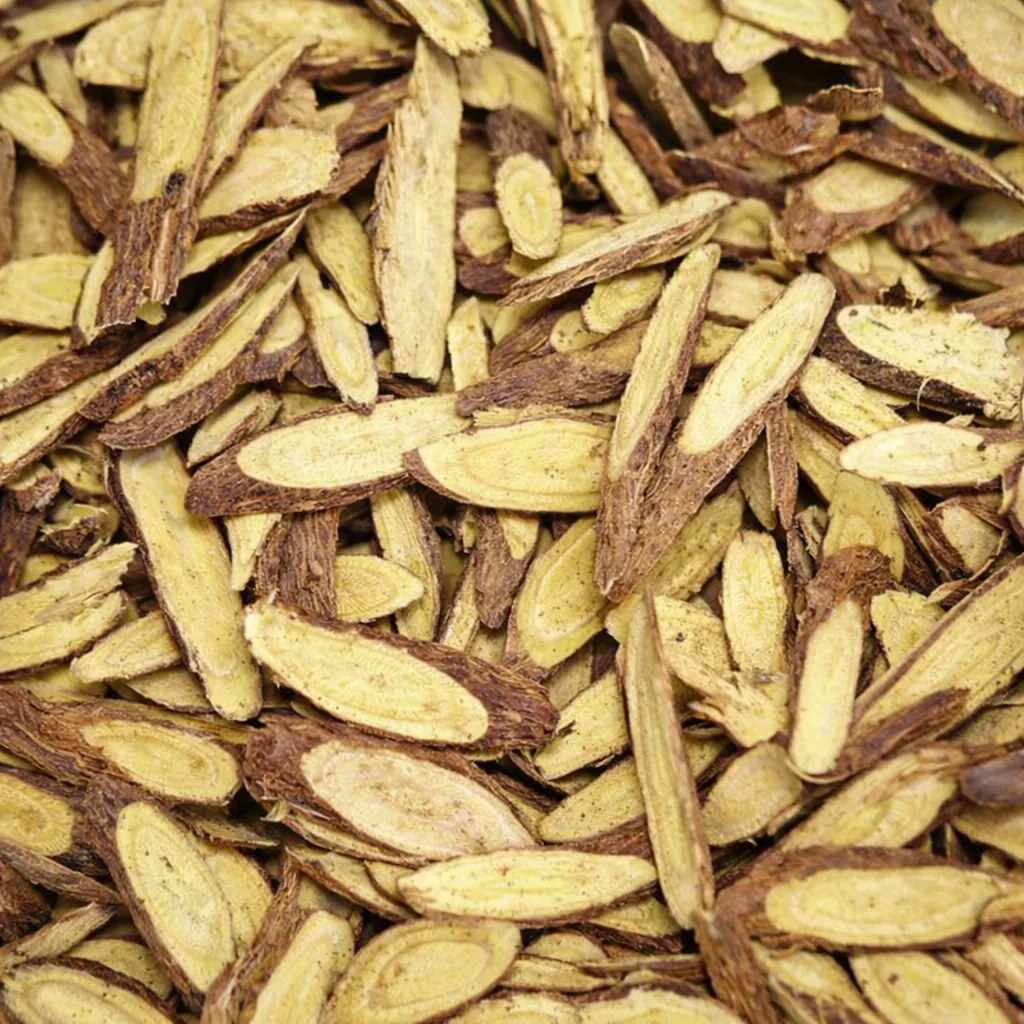
We use Korean gamcho. It harmonizes all herbs, protects the throat mucosa, and its anti-inflammatory action calms chronic vocal-cord inflammation.
Book your visit by phone or online.
Pulse diagnosis + throat examination
to assess vocal-cord fatigue.
We adjust the herb composition
based on vocal condition and occupation.
We guide correct intake and
voice-hygiene management.
The main ingredients include gilgyeong, gamcho, yeongyo, and bakha. Gilgyeong calms throat inflammation, gamcho protects the mucosa, and yeongyo and bakha cool heat and reduce swelling. Working together they restore throat and vocal cords.
Temporary vocal fatigue often improves in 2–4 weeks. For chronic overuse, 2–3 months of intake is recommended. Those who use their voice professionally benefit from periodic intake during seasonal changes or heavy-use periods.
Most effective for those who use their voice professionally — teachers, instructors, singers, voice actors, announcers, counselors, pastors, and YouTubers. Recommended for chronic hoarseness, frequent throat inflammation, and vocal fatigue.
Get consultations and prescriptions without visiting.
Try our easy consultation service.
Stories from those who regained their voice with Hyangseongpajeokhwan.
When my energy ran low, even my motivation would fade. Since taking the herbal medicine, I can last well into the afternoon. The staff are so welcoming — the best!
On days my throat is rough, it shows immediately and I start worrying before I even speak. I'm like that, so I spent a long time looking for what suits me — and I keep coming back to Hyangseongpajeokhwan.
It's not a hassle to take, and it feels like it catches things before my throat fully gives out. That's why I keep ordering it T_T
Hyangseongpajeokhwan — surprisingly fast-acting!
3+ more real treatment cases
Learn more about Hyangseongpajeokhwan.
How to differentiate causes of hoarseness lasting longer than two weeks and judge when treatment is needed.
An introduction to the effects of Hyangseongpajeokhwan and Korean medicine treatment for voice disorders.
An explanation of how Korean medicine treats vocal cord nodules and chronic laryngitis.
RESEARCH
Min BW, Kang SH, Choi YJ, et al.
Cho KH, Lee JA, Park SJ, et al.
Seo CS, Shin HK, Ha H, et al.
Related Resources
Continue with the most relevant guides and care pages.
An introduction to the effects of Hyangseongpajeokhwan and Korean medicine treatment for voice disorders.
An explanation of how Korean medicine treats vocal cord nodules and chronic laryngitis.
Read articleA guide to throat and voice health management for those who use their voice professionally.
Read article