😣
Spine·Joint Pain
After lifting heavy objects or falls, persistent lower back, neck, knee, and shoulder pain.


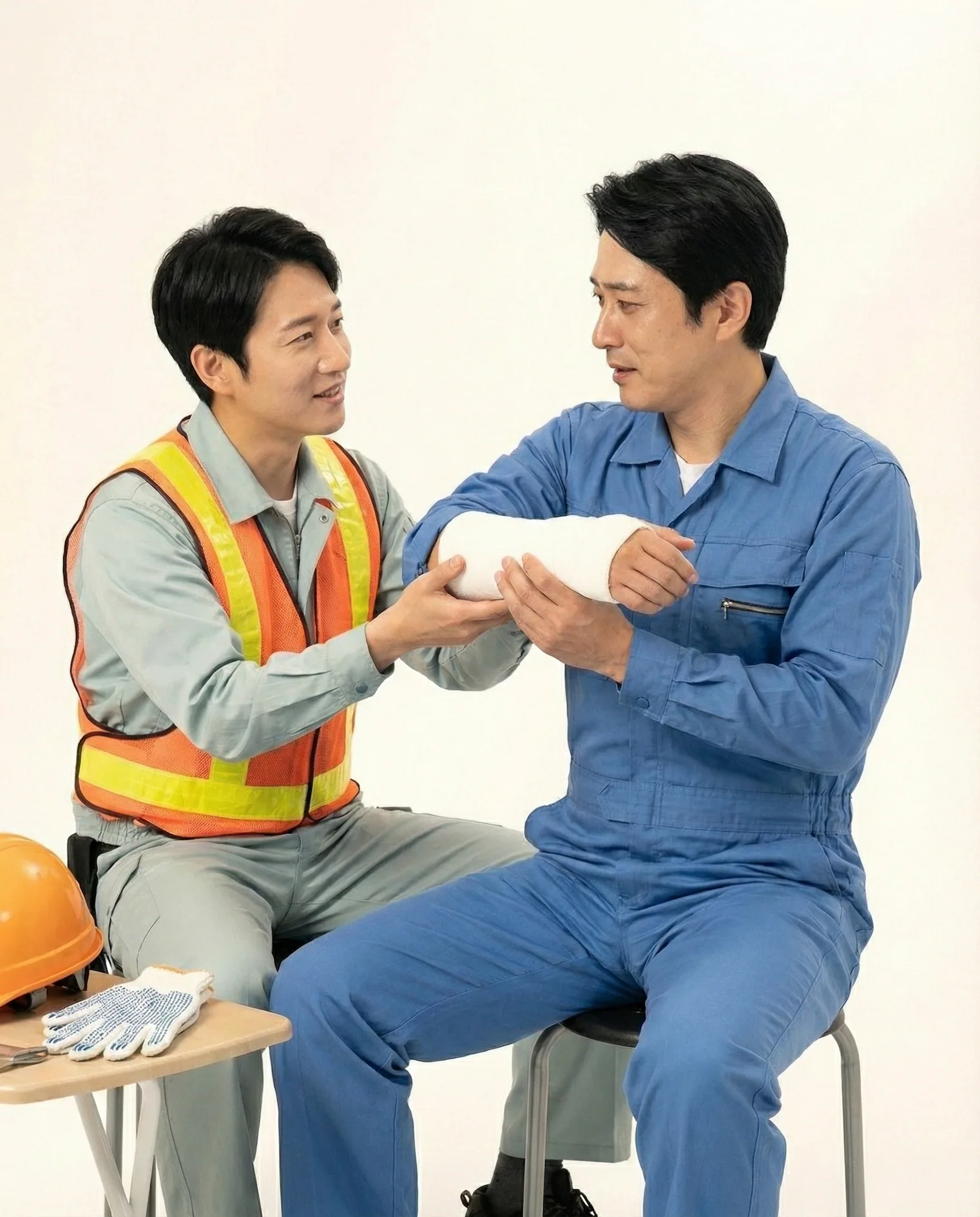
If you have any of these symptoms after an industrial accident,
early treatment is essential.
After lifting heavy objects or falls, persistent lower back, neck, knee, and shoulder pain.
Numbness in arms and legs from nerve damage, with feelings of weakness.
Tendinitis, carpal tunnel syndrome, etc. from prolonged repetitive motions.
Western physical therapy alone isn't producing fundamental recovery.
Just 1 minute. Find the right prescription for you.
1 / 5
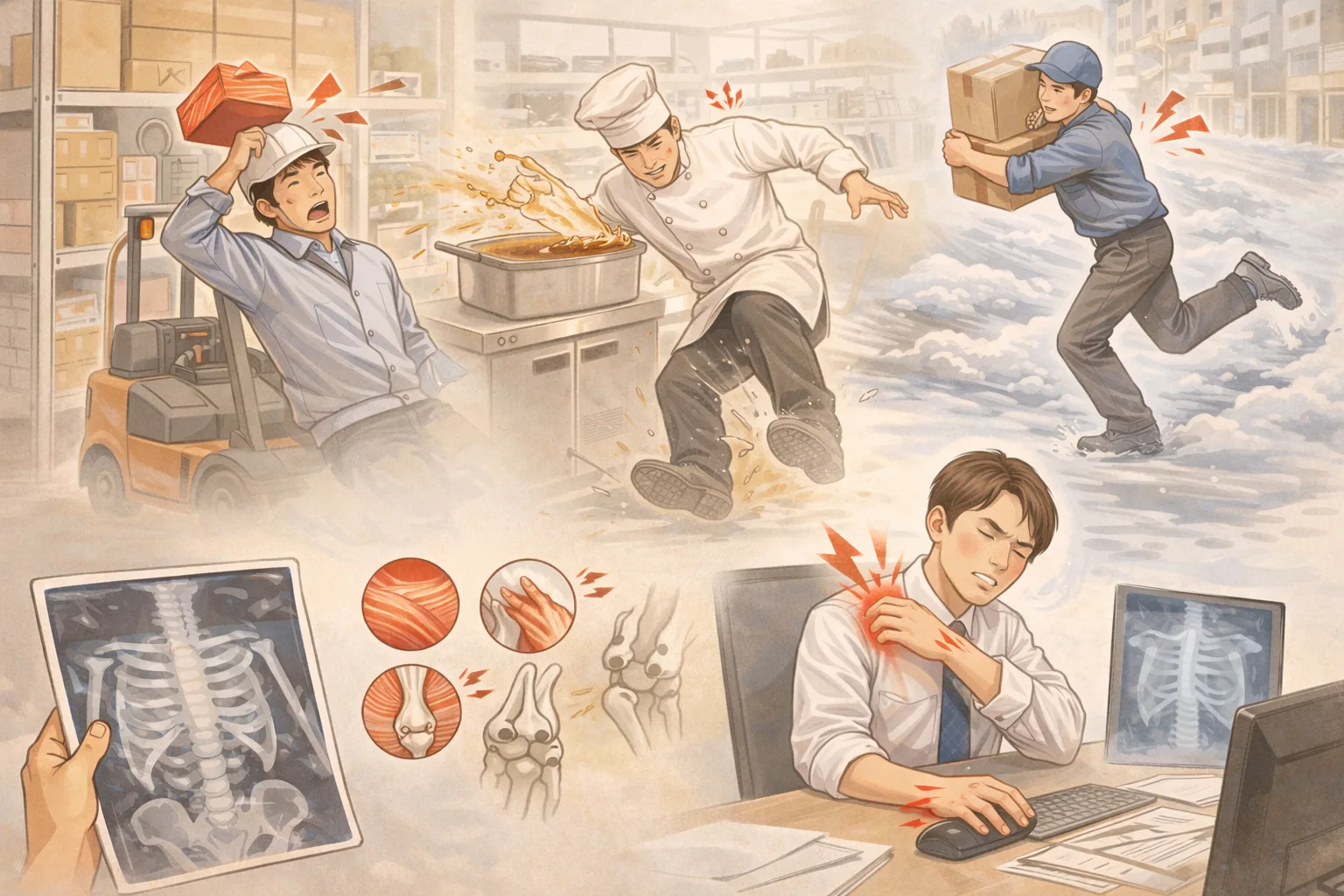
Industrial accidents occur from various causes including falls, falling object impacts, heavy lifting, and repetitive motions. Workplace accidents in particular often involve strong external forces, causing widespread damage not only to bones but also to soft tissues like muscles, ligaments, and tendons. Such microscopic damage doesn't appear on X-rays so it's easily dismissed as 'nothing serious', but missing the treatment window can lead to chronic pain and functional decline that makes returning to daily life difficult.
Many industrial accident patients come to Korean medicine clinics after only receiving physical therapy at orthopedic clinics. There are reasons why Geummaek Korean Medicine Hospital treatment is particularly effective for industrial accident aftermath.
First, we treat pain that doesn't show up on imaging tests. Acupuncture and pharmacopuncture directly resolve fascial adhesions invisible on MRI, deep muscle stiffness, and microscopic inflammation. This is why patients who say "tests come back normal but I still hurt" experience improvement.
Second, we resolve pain causes from the root. Painkillers only block pain signals, but herbal medicine promotes regeneration of damaged tissue and regulates internal inflammatory response, reducing the cause of pain itself.
Third, we recover the whole body together. Industrial accident patients often complain not only of pain but also sleep disorders, chronic fatigue, and depression. Korean medicine can address pain treatment, physical recovery, and psychological stability simultaneously.
With workers' compensation applied, you can receive herbal medicine, acupuncture, pharmacopuncture, and chuna treatment all with no out-of-pocket cost.
Acupuncture and pharmacopuncture dissolve blood stasis at injury sites and reduce inflammation, quickly alleviating pain.
Personalized herbal medicine promotes regeneration of damaged muscles, ligaments, and tendons and normalizes internal circulation.
Realigns spine and joints distorted by the accident and recovers weakened muscle strength to support return to the workplace.
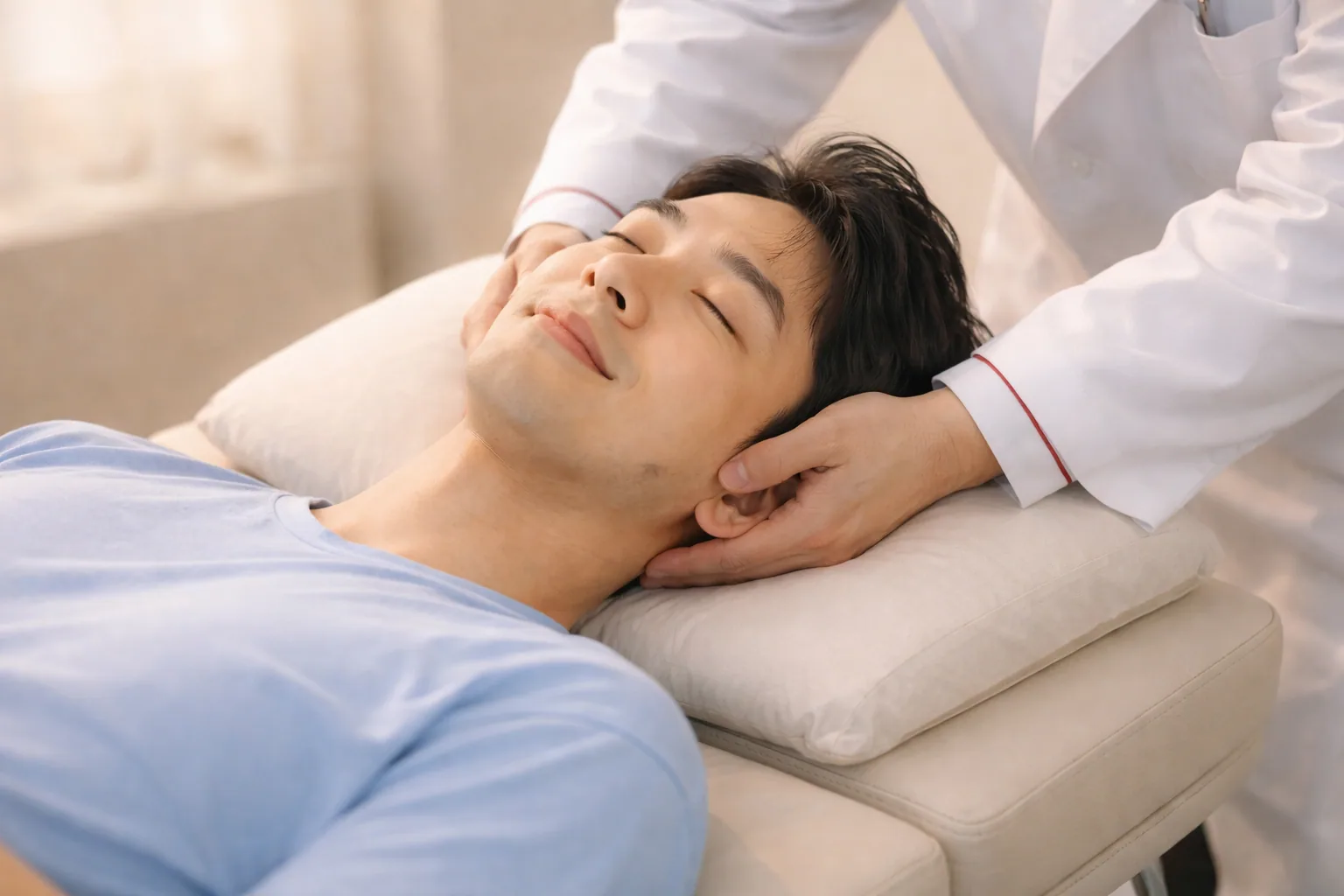
Industrial accidents differ in injury site and severity by accident type.
We design optimal treatment for each type.
급성 근골격 손상, 어혈
외상 집중 치료
침·약침으로 어혈을 제거하고, 추나로 구조를 바로잡아 손상 부위의 근본 회복을 돕습니다.
누적성 외상 장애(CTD)
누적 손상 치료
만성 염증과 유착을 풀어주고, 한약으로 손상된 힘줄과 인대의 회복력을 높입니다.
어혈 잔존, 기능적 손상
어혈 해소 & 체질 강화
영상에 보이지 않는 어혈과 미세 손상을 한의학적으로 진단하고 근본 치료합니다.
We verify workers' comp approval status
and guide you through the application process.
Pulse diagnosis, motion testing, and palpation
identify hidden injury sites.
Acupuncture, pharmacopuncture, herbal medicine, and chuna
are administered according to the patient's condition.
Regular consultations confirm recovery progress
and support return to the workplace.
The effectiveness of Korean medicine for industrial accident aftermath and musculoskeletal occupational diseases is being verified by modern clinical research.
Pain improvement rate after acupuncture+chuna treatment in occupational lower back pain patients
Spine
Functional recovery rate after herbal medicine in musculoskeletal injury patients
한방재활의학과학회지
Successful workplace return rate after combined Korean medicine treatment in industrial accident patients
대한한의학회지
A retrospective analysis of 198 industrial accident patients hospitalized for musculoskeletal occupational diseases showed that the combined inpatient treatment group of herbal medicine·acupuncture·chuna had significant improvements in pain (NRS, p<0.001) and functional disability index (ODI, p<0.001), with a 74.7% workplace return rate within 6 months of discharge — higher than the 58.3% return rate in the Western medicine-only group.
When workers' compensation is approved, you can receive all Korean medicine treatments — acupuncture, cupping, chuna, herbal medicine — with no out-of-pocket cost. The full treatment cost is covered by workers' compensation.
In emergency situations, the first hospital you visit can be a regular hospital. However, after workers' comp approval, you must designate one workers' comp hospital as your treatment facility for outpatient or inpatient treatment to receive treatment cost coverage.
Until workers' comp approval, treatment is provided through health insurance first. Once workers' comp is approved, the out-of-pocket costs you've paid can be refunded or claimed back through the Workers' Compensation Service.
Get consultations and prescriptions without visiting.
Try our easy consultation service.
Check treatment records for similar symptoms
They handle the workers' compensation insurance smoothly. Since they're open Saturdays and Sundays, I come after work.
Working tense all day on site, at some point I realized I was clenching my jaw. The pain reached my temples and my jaw got tired quickly when eating, so I came to the Korean medicine clinic. As acupuncture released the jaw tension, my headache also eased. I've also become aware of my teeth-clenching habit at work ^^
After being hit by a forklift my back hurt, but after acupuncture and chuna for about 2 weeks it got better
3+ more real treatment cases
Health knowledge from experts
Repeating the same motion causes tenosynovitis, carpal tunnel syndrome, and epicondylitis.
Information on whether Korean medicine treatment is covered by workers' compensation insurance and how to apply.
An explanation of the workers' compensation application process for musculoskeletal disorders caused by repetitive work and the role of Korean medicine treatment.
RESEARCH
Moon HJ, Choi DJ, Shin JC, et al.
Kwon S, Lee SG, Yun MH, et al.
Seo BK, Han KH, Song HS, et al.
RESEARCH
Moon HJ, Choi DJ, Shin JC, et al.
Kwon S, Lee SG, Yun MH, et al.
Seo BK, Han KH, Song HS, et al.
Related Resources
Continue with the most relevant guides and care pages.
After approval by the Korea Workers' Compensation & Welfare Service, you can receive inpatient and outpatie...
Repeating the same motion causes tenosynovitis, carpal tunnel syndrome, and epicondylitis.
Read articleWe focus on treating multiple contusions and blood stasis after falls at construction and manufacturing sites.
Read article