
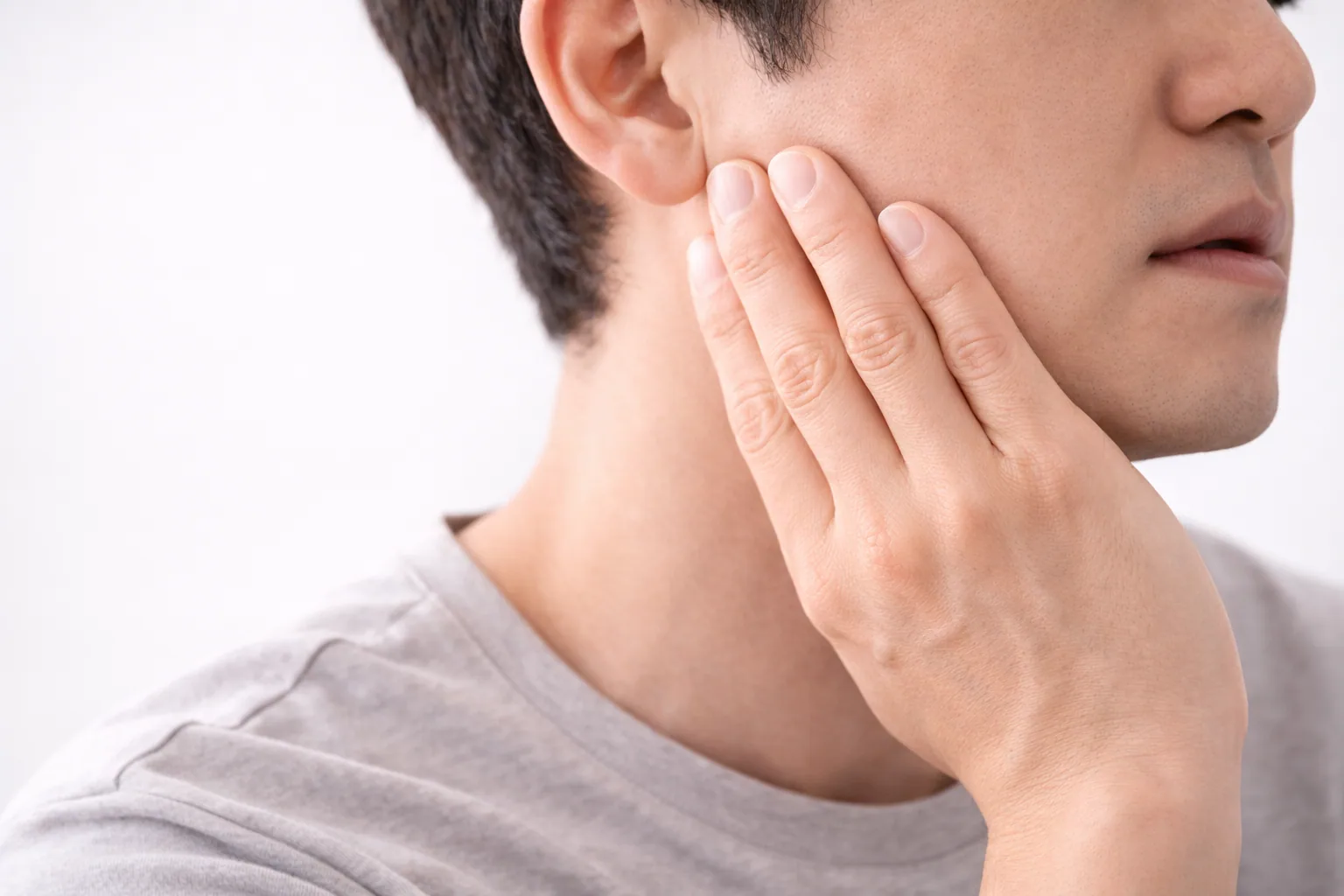
TMJ Pain
Korean medicine guide for temporomandibular joint disorders and pain.

🏥 FAQs by Condition
Acupuncture & Pharmacopuncture
Acupuncture
Yes. Acupuncture releases muscle rigidity around the jaw joint and improves circulation, making it effective for acute and chronic TMJ pain. The WHO also recognises TMJ pain as an indication for acupuncture.
Cupping & Physical Therapy
Cupping Therapy
Yes. Cupping around the jaw joint clears blood stasis and releases muscle tension, effectively easing TMJ pain.
Herbal Medicine
Herbal Medicine
Yes. Herbal medicine has demonstrated effects in strengthening bone and muscle and suppressing inflammation. Formulas that tonify the liver and kidney in particular slow musculoskeletal degeneration and promote tissue regeneration.
Chuna Therapy
Chuna Therapy
Chuna therapy performed by an experienced Korean medicine doctor involves little pain. Many patients in fact feel their body is refreshed and lighter after the session. We adjust the intensity to each person's condition.
Cost & Insurance
Cost & Insurance
Yes. Korean medicine procedures such as acupuncture, cupping and Chuna are covered by health insurance. Herbal formulas are not covered, but private indemnity insurance may reimburse them in some cases.
Other Treatments
General
Acute pain eases substantially within 2 to 4 weeks. Chronic pain or a structural problem needs 2 to 3 months of systematic treatment, followed by a maintenance period to prevent recurrence.
TMJ Disorder
TMJ Disorder
A condition in which a problem develops in the temporomandibular joint and the muscles around it, producing difficulty opening the mouth, jaw pain and clicking sounds.
Bruxism & Clenching
Bruxism
We have compiled 7 questions about bruxism and clenching — Can teeth grinding be treated with Korean medicine · Does clenching affect the jaw joint · How long does treatment take
💬 All FAQs 49questions
😔 No results found
Try different keywords